
Government and Death
The King in YellowThis flow examines how New York City's progressive modernization becomes entangled with state-managed suicide and social control.
increasing Bearing strength in each event
 decreasing
Bearing strength in each eventdecreasingNational Modernization
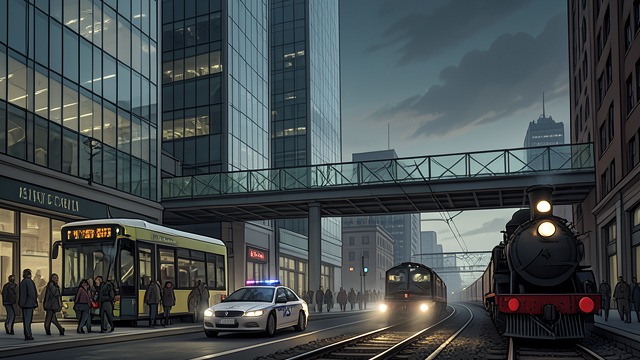
National Modernization
New York City and the United States expand military, civic, and cultural institutions.
Orderly Progress
Architecture, transportation, policing, and national defense are presented as signs of collective improvement.
Hidden Cost
The same centralization that promises safety prepares the state to regulate despair.
Suicide Law Repeal
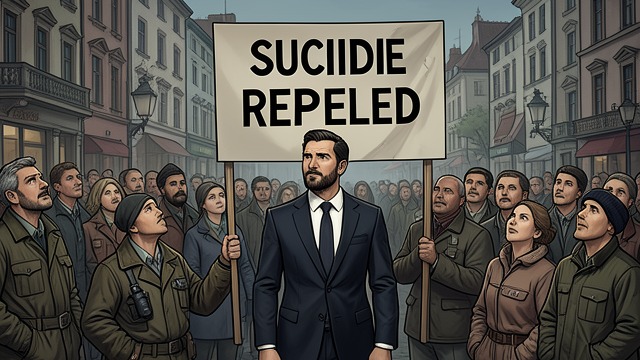
Suicide Law Repeal
The United States repeals laws prohibiting suicide and recasts self-destruction as an administrative choice.
Legal Reversal
Death moves from criminal prohibition toward public policy.
Moral Ambivalence
The language of compassion coexists with the belief that despairing people should be removed from society.
Lethal Chamber Opening
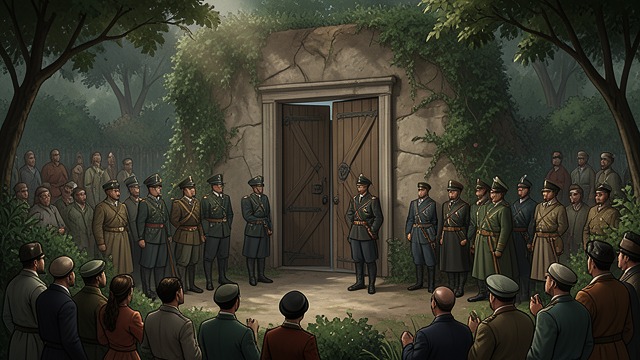
Lethal Chamber Opening
The first Government Lethal Chamber opens beside Washington Square.
Ceremonial Death
Military formations and civic officials turn killing into a solemn public institution.
Social Mirror
The beautiful garden disguises a policy that treats human suffering as a problem of urban cleanliness.
Voluntary Disappearance
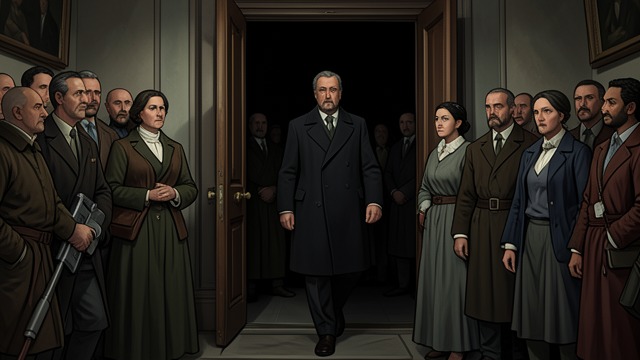
Voluntary Disappearance
A young man enters the Lethal Chamber while spectators watch in silence.
Public Spectacle
The state presents the act as private choice, yet stages it before a crowd.
Normalized Absence
The onlookers return to ordinary life, suggesting how efficiently institutions can absorb death.
Hildred's Counterkingdom
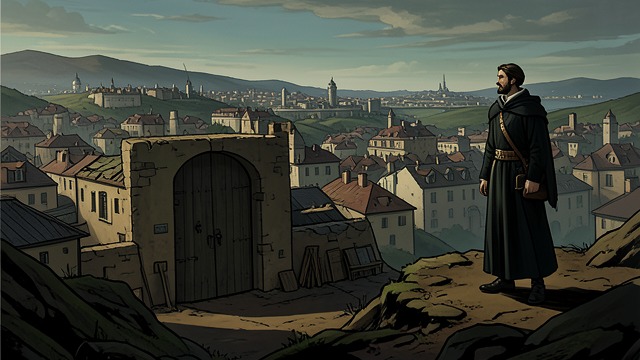
Hildred's Counterkingdom
Hildred Castaigne seeks to replace bureaucratic death with a mystical empire ruled through fear.
Competing Authorities
His imagined monarchy and the Government Lethal Chamber both claim the right to decide human destinies.
Shared Dehumanization
Their opposite ideologies reveal a common tendency to reduce persons to subjects, patients, or disposable bodies.
From the late nineteenth century to 1920
April 1920
April 13, 1920
The afternoon of the opening
The final night of the narrative
